Understanding Addiction as a Disease: What Families Need to Know
By Zida Alive
Addiction is a complex health condition that affects the brain, behaviour, emotions and relationships. Understanding it can help families support recovery more effectively.
Addiction is often misunderstood. Families may see repeated drug or alcohol use, broken promises, financial difficulties, changes in behaviour, or conflict at home and conclude that their loved one simply lacks discipline or does not care about the family.
Substance use disorders are more complex than that.
Addiction is a chronic health condition that affects the brain, behaviour, emotions and relationships. It can significantly affect a person's ability to control substance use, even when they understand the consequences and genuinely want to stop.
Understanding addiction is an important first step toward supporting recovery.
Addiction Changes the Brain
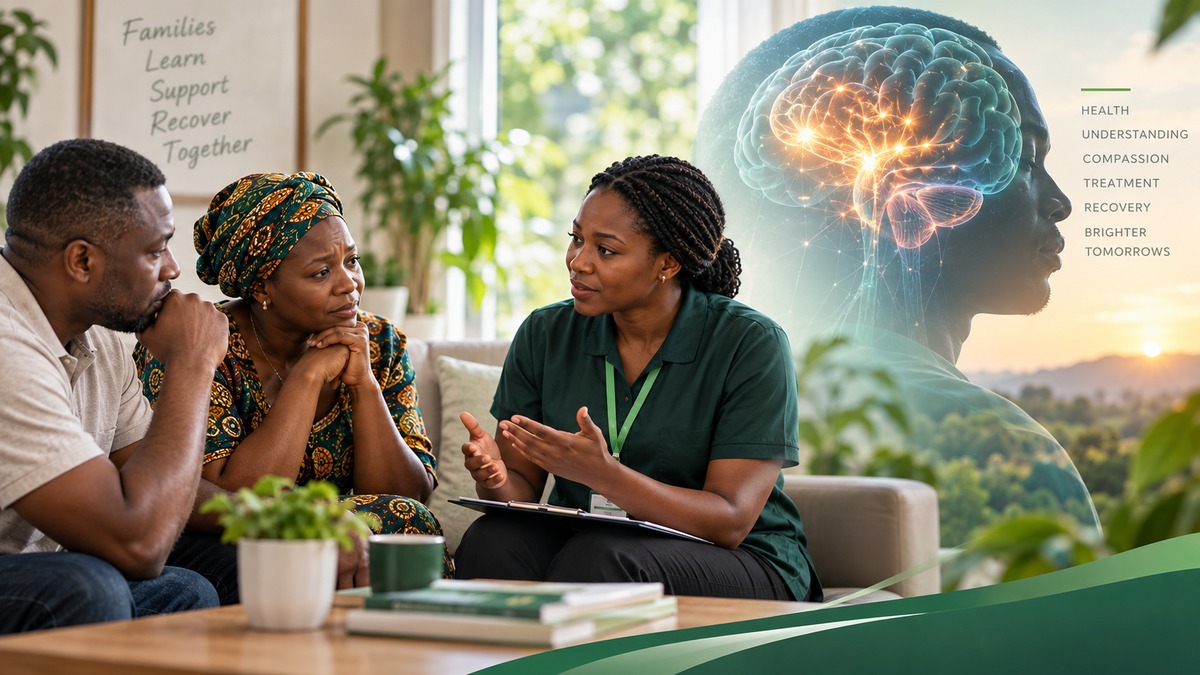
Repeated exposure to addictive substances can affect the brain's reward, motivation and decision-making systems. Over time, a person may experience powerful cravings and may continue using a substance despite serious consequences.
This does not mean that a person has no responsibility for their actions. Recovery still requires commitment, accountability and behavioural change. However, understanding the nature of addiction helps families respond in ways that support treatment rather than simply relying on punishment, shame or confrontation.
Why “Just Stop” Is Often Not Enough
One of the most common things people with addiction hear is: “If you really wanted to stop, you would.”
Unfortunately, addiction is rarely that simple.
A person may genuinely want to stop but struggle with cravings, withdrawal, emotional distress, environmental triggers, peer influence or underlying mental-health difficulties. This is one reason professional treatment and structured recovery programmes can be important.
The Family Has an Important Role
Families can make a meaningful contribution to recovery, but supporting someone does not mean protecting them from every consequence of their behaviour.
Healthy support can include:
- Encouraging professional treatment
- Setting clear and reasonable boundaries
- Avoiding financial support that facilitates substance use
- Participating in family education and counselling
- Supporting healthy routines
- Encouraging continued recovery after discharge
- Recognising and responding appropriately to warning signs of relapse
The goal is to support recovery without enabling addiction.
Recovery Requires More Than Stopping Substance Use
Successful rehabilitation involves more than removing drugs or alcohol from someone's life.
Recovery may require a person to develop new coping skills, repair relationships, understand triggers, manage emotions, rebuild confidence and establish a healthier lifestyle.
At Alive Rehabilitation Center, we approach recovery holistically, combining therapeutic interventions, structured recovery principles and a supportive therapeutic-community environment.
A Message to Families
If someone you love is struggling with addiction, remember that addiction affects the whole family. You do not have to face it without support.
Professional assessment and appropriate treatment can help identify the nature of the substance-use problem and the level of care required.
Recovery is possible, but it is a process that requires commitment, structure, support and continued work.
Alive Rehabilitation Center is committed to helping individuals and families move from addiction toward meaningful and sustainable recovery.
Health Information Notice
This article is provided for general education and does not replace individual medical, psychiatric or emergency assessment. If someone is in immediate danger or experiencing a medical emergency, seek urgent professional care.
Need guidance or support?
Alive Rehabilitation Center can provide information about rehabilitation, admissions, professional referrals and recovery support.