

Ghana Ambulance: 193
ARC Logo
STAY ALIVE. LIVE FREE.
ALIVE REHABILITATION CENTER LBG • REG: CG059940925
Main Center
Obibini Junction, near Max Guest House
Admissions Helpline
+233 59 766 3466
Staff
NGO Registration: CG059940925 • Ghana

Restoring Hope. Rebuilding Lives.

We provide structured alcohol and drug rehabilitation and recovery support in a safe, confidential residential environment in Greater Accra. ARC approaches addiction as a treatable health condition and supports clients with dignity and respect.

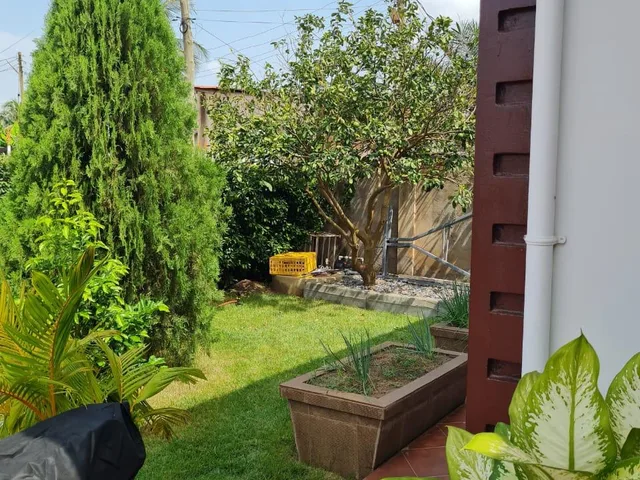
ARC Residential Rehabilitation Campus
Illustrative Image

Residential Rehabilitation Setting

Greater Accra, Ghana

Confidentiality First

Personal information is treated confidentially and shared only with appropriate consent, or where disclosure is required by law or necessary for safety.

Registered Organization

NGO Registration CG059940925. ARC operates rehabilitation and support services from locations in Greater Accra.

Professional Entry

Courts, schools, hospitals and other referring organizations can contact ARC for assessment and referral support.

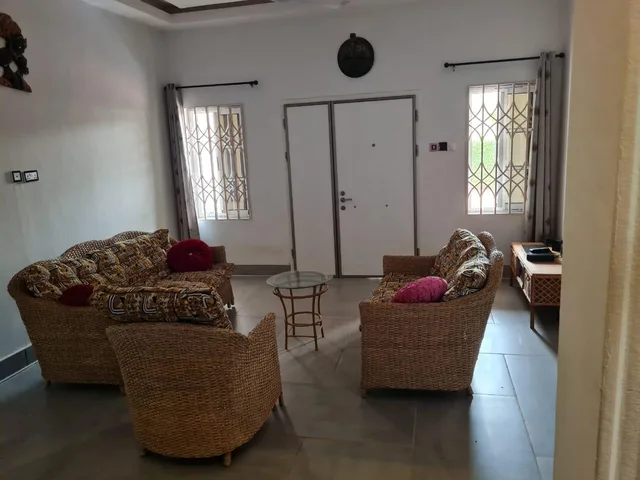
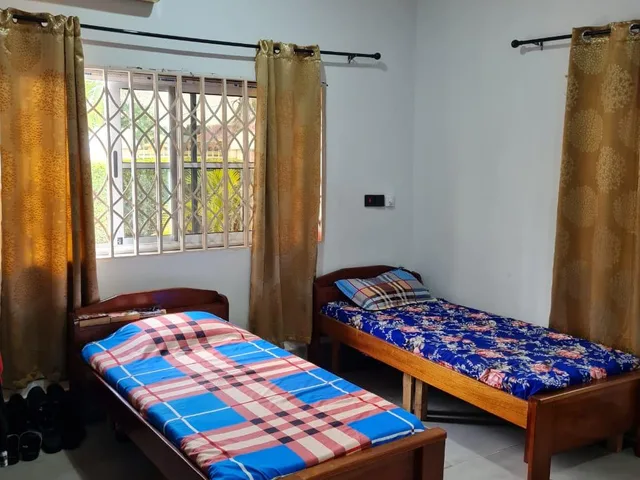
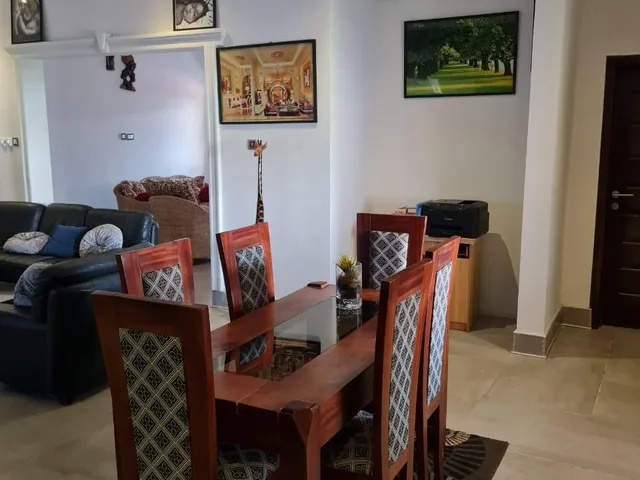
Facility Tour & Healing Atmosphere

A Dignified, Restorative Sanctuary

The facility gallery may include authorized real interior photographs together with clearly identified representative imagery where privacy or property restrictions prevent publication of an actual exterior photograph.

AUDIENCE DIRECTORY

Select Your Pathway to Care

I Need Help for Myself

Take the first step in complete privacy. No judgment, no public reports. We guide you through intake, detox coordination, and personal healing.

I Am a Family Member

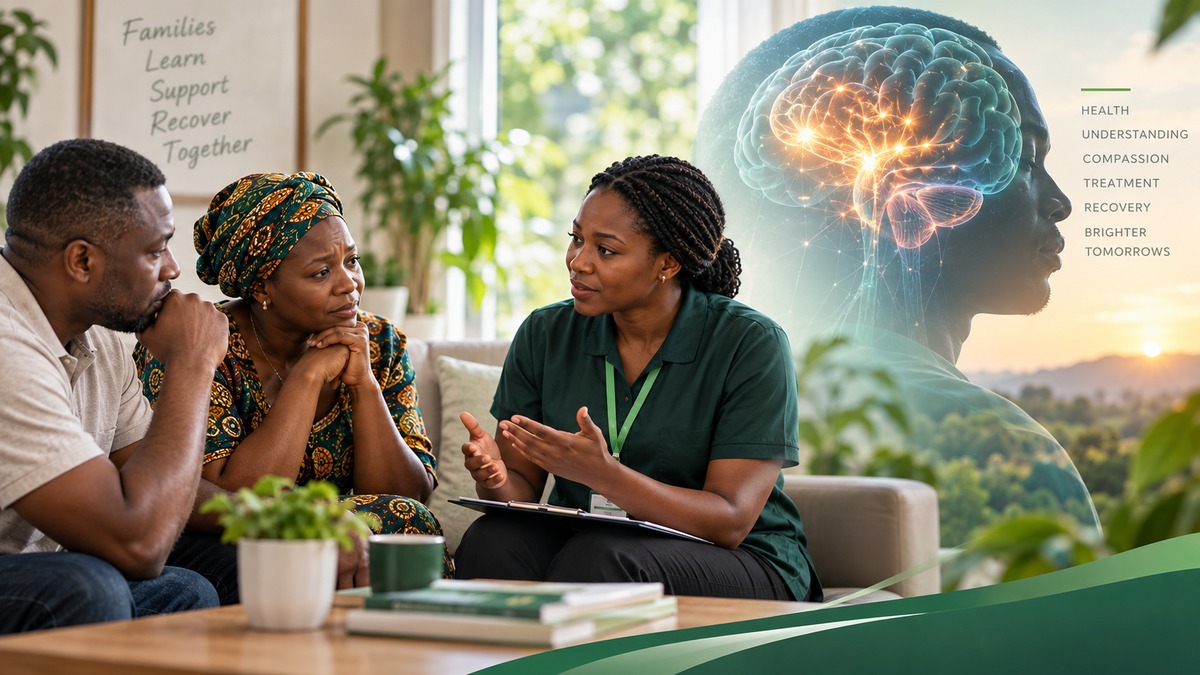
Worried about a son, daughter, spouse, or sibling? Learn how to stage a calm intervention, what admission involves, and family counselling.

Referring Professional

For doctors, hospitals, courts, employers and other referring organizations. Submit a professional referral for assessment and follow-up.

Donor & CSR Partner

Support treatment for clients in financial need, rehabilitation activities, facility development, or community awareness and recovery initiatives.

Our Treatment Philosophy

Recovery is supported through structured, compassionate rehabilitation and ongoing care.

ARC's rehabilitation approach may include individual and group counselling, family involvement, CBT-based interventions, Motivational Interviewing, 12-Step facilitation, relapse prevention, life-skills development and aftercare according to each client's assessed needs.

No Judgment or Stigma

A respectful and supportive environment where clients can speak openly.

Evidence-Based Modalities

Cognitive Behavioral Therapy (CBT), Motivational Interviewing, and 12-Step structure.

Family Rebuilding

Structured family therapy sessions to heal broken trust and support long-term recovery.

Aftercare & Reintegration

Continued recovery support may include counselling, relapse prevention, family involvement and a halfway-home transition option for gradual reintegration.

Operational Credentials

Legal Entity: Company Ltd by Guarantee
NGO Registration: CG059940925
Admission: Subject to Assessment
Residential Support: Live-in Therapist Available
Coverage: Ghana & Worldwide
About Our Staff & Board →
Clear, Predictable Process

What Happens When You Reach Out

1

Confidential Contact

Call, WhatsApp, or apply online in privacy.

2

Clinical Assessment

Evaluate physical & psychological health.

3

Treatment Plan

Agree on length of stay & fee schedule.

4

Intake & Settling In

Medical screening & welcoming to community.

5

Healing & Aftercare

Therapy, family sessions & 12mo support.

Education & Recovery

Latest News & Recovery Resources

Practical information for individuals, families and communities navigating addiction, rehabilitation, recovery and aftercare.

Addiction Education

Recognizing the Early Warning Signs of Relapse: What Families Need to Know

Relapse often begins long before a person returns to substance use. Changes in emotions, behaviour, attitudes, and daily routines can signal that someone is struggling in recovery. Learn how to recognize the early warning signs of relapse, understand common triggers, and support a loved one's recovery through healthy boundaries, open communication, and timely professional intervention.